


Choosing a custom home style is one of the most important and personal decisions in building a custom home. Whether you lean toward sleek, minimalist Modern architecture or warm, timeless Traditional design greatly impacts functionality, aesthetics, and how well your home suits your lifestyle.
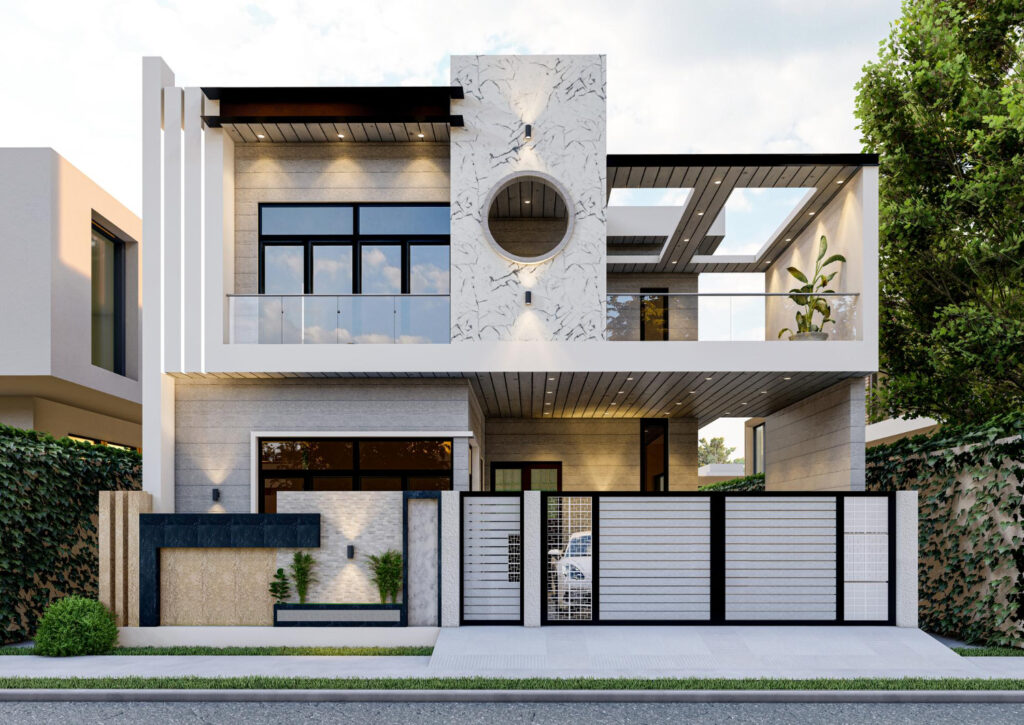
1. Pros & Cons
Modern Style
Pros:
- Sleek, minimalist aesthetics with clean lines and open floor plans—perfect for showcasing spaces
- High energy efficiency: modern materials, large windows, and smart systems
- Low-maintenance engineered materials like quartz and metal roofing
- Spacious interiors that allow flexible room arrangements
Cons:
- Higher upfront costs due to advanced tech and premium materials
- Can feel cold or sterile to those who prefer cozy environments
- May clash with historic neighborhoods or zoning regulations
Traditional Style
Pros:
- Rich, timeless charm—craftsman details, warm finishes, and classic appeal
- Passive climate control with thick walls, shaded porches, and small windows
- Easier resale value due to widespread appeal
- Familiar, homey vibe ideal for family-centered living
Cons:
- Often more maintenance: wood trim, gutters, and ornamental details can wear over time
- Less energy-efficient unless modern insulation systems are added
- Tends to blend into the neighborhood with fewer standout features
2. Lifestyle Suitability
Modern homes suit those who value innovation, tech integration, minimalism, and flexibility. They’re ideal for young professionals or families with a focus on functionality and sleek design.
Traditional homes are better for those who seek comfort, legacy, and familiarity—especially families or multigenerational households who want clearly defined spaces and a warm aesthetic.
3. Interior & Exterior Design Recommendations
Modern Interiors & Exteriors
- Open-plan living with natural light zones
- Floor-to-ceiling windows
- Neutral color palettes: whites, grays, and bold accents
- Flat or low-pitched metal or dark roofs
- Minimalist lighting, hidden storage, and clean finishes
Traditional Interiors & Exteriors
- Defined rooms: formal dining areas, cozy nooks, and central fireplaces
- Hardwood floors, crown moldings, and paneled walls
- Pitched roofs like gables or Cape Cod styles
- Exterior details such as brick, clapboard siding, window shutters, and porches
- Decorative lighting like lanterns, chandeliers, and wall sconces
4. Climate & Topography Considerations
- Hot or Dry Climates: Traditional designs with thick walls and shaded porches help cool the home passively. Modern homes in these climates often use deep overhangs, reflective materials, and cross ventilation.
- Cold or Snowy Areas: Traditional styles with steep roofs and compact layouts help retain heat. Modern homes should use high-performance insulation, triple-glazed windows, and strategic solar orientation.
- Tropical or Humid Regions: Both styles can work. Traditional designs may include raised floors and wide eaves. Modern tropical homes often use sustainable materials and indoor-outdoor layouts.
- Hilly or Uneven Terrain: Modern homes can be built with cantilevers and integrated landscaping, while traditional homes often use terraced layouts and foundational adjustments.
5. Summary
| Criteria | Modern Custom Home Style | Traditional Custom Home Style |
|---|---|---|
| Aesthetic | Clean, minimalist, bold | Warm, decorative, classic |
| Maintenance | Low (engineered materials) | Moderate–high (wood, trim) |
| Energy Efficiency | High (smart tech, insulation) | Moderate → high (with upgrades) |
| Climate Adaptation | Needs site-specific design | Passive features suit many climates |
| Cost (Build) | Higher initial; Long-term savings | Moderate; potential maintenance costs |
| Family/Lifestyle Fit | Tech-savvy, flexible living, modern taste | Heritage-loving, cozy, multigenerational |
A custom home style should perfectly align with who you are—your aesthetic, values, and your land. Modern designs bring innovation, efficiency, and minimalism, but often come with higher upfront costs and a cooler feel. Traditional styles offer enduring charm, passive climate benefits, and cozy spaces, though they require more upkeep. Match your choice to your lifestyle, climate, and topography—then your house becomes more than a structure; it becomes a home.
